

Research at Georgia Tech
PhD in Electrical & Computer Engineering · 2019-2024
Wearable systems and machine learning for health.
Google Scholar
- Scholar entries
- 21
- Citations
- 248
- h-index
- 9
- i10-index
- 9
Updated Nov 6, 2026
Selected research projects
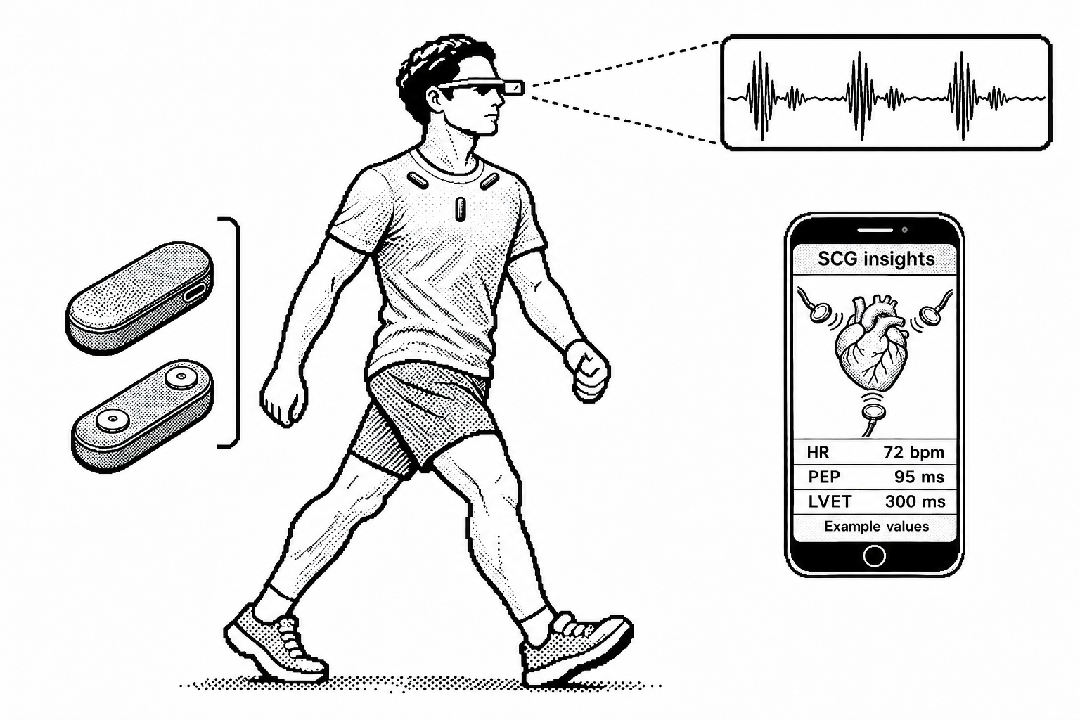
SeismoNet
Multi-view cardiac sensing
Miniature synchronized wearables capture cardiac mechanics from multiple chest positions. Google Glass and a phone display SCG signals and derived measures such as heart rate, pre-ejection period, and left ventricular ejection time.
Read the paper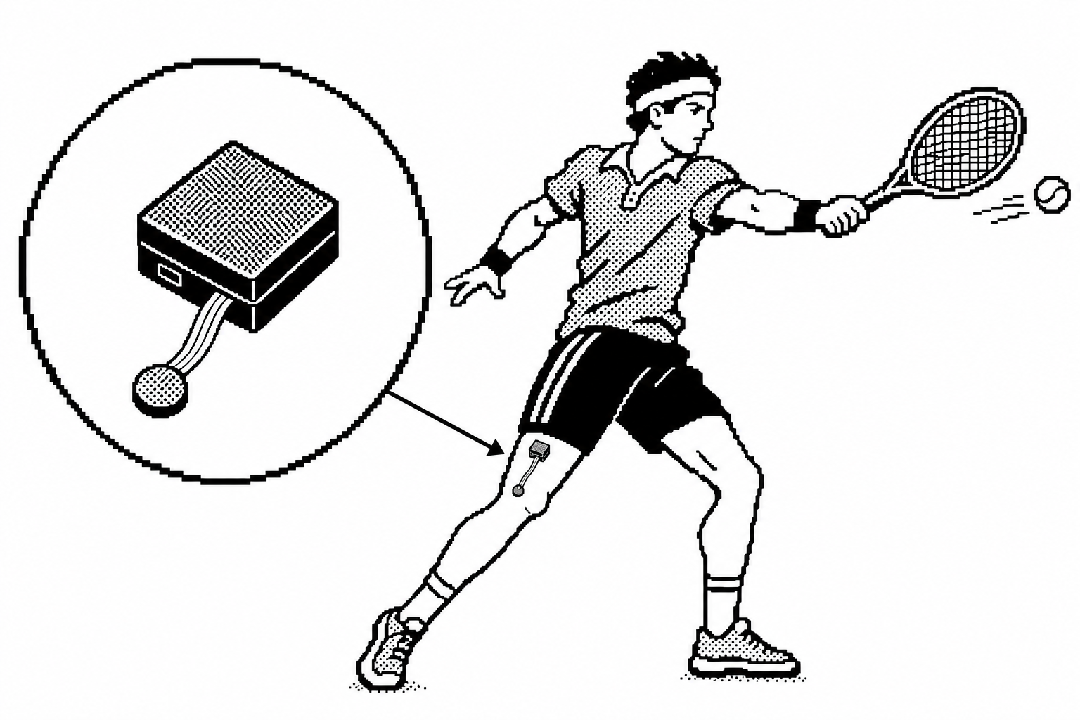
KneeMS
Listening to the knee in motion
A compact wireless system that listens to knee acoustic emissions. The small recording unit sits on the lower thigh; a short ribbon cable connects it to a separate sensing head at the knee to study changes in joint health.
Best Paper · IEEE BSN 2023Read the paper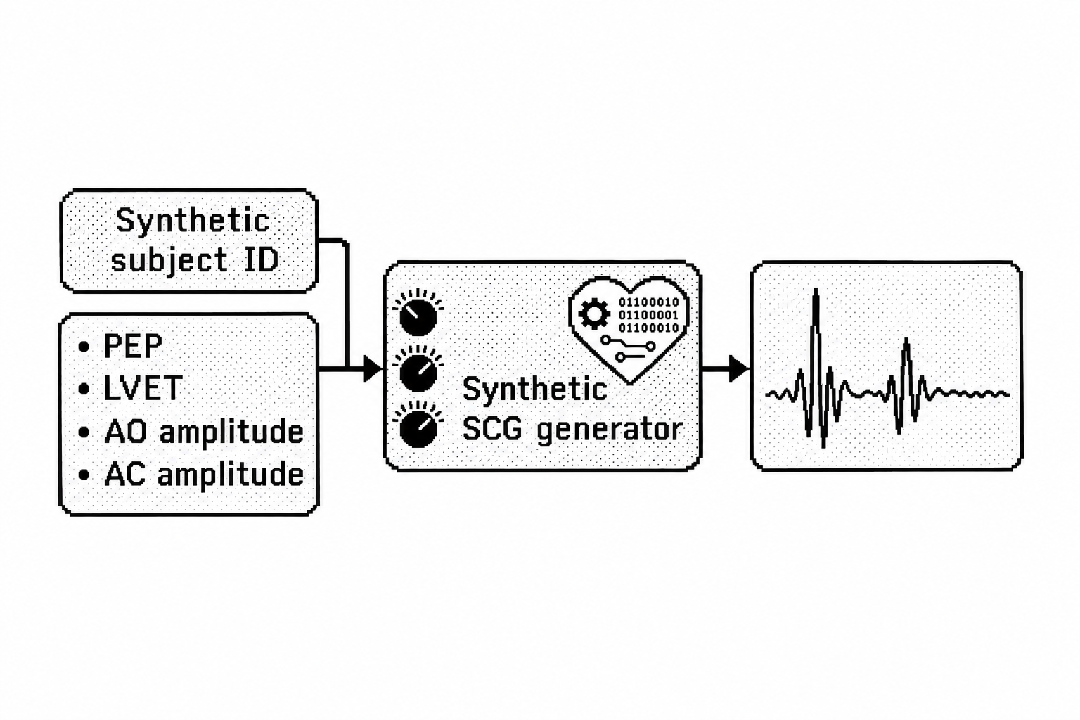
Synthetic cardiac signal generation
Transformer-based modeling of cardiac mechanics
A transformer-based generative model that produces seismocardiograms with control over cardiac timing and participant-specific morphology. The model generates physiologically varied signals while retaining control over key cardiac features.
Read the paper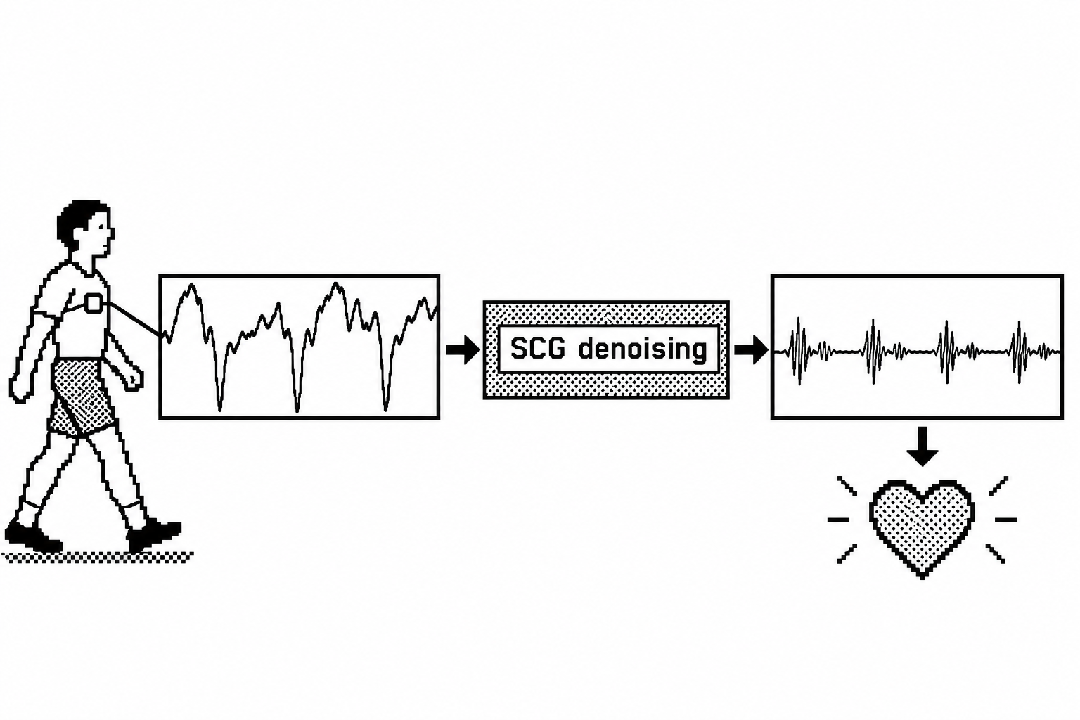
Cardiac signal denoising
Cleaner wearable signals during walking
A residual U-Net reduces motion noise in chest-worn seismocardiogram recordings during walking, preserving cardiac information for timing estimation and health assessment.
Read the paper